Brampton Food Safety Experts
Commercial cleaning and food safety professionals in Brampton assist food establishments, food centers, bakeries, warehouses, and food service operations staying compliant. They sanitize regularly touched surfaces, food preparation surfaces, equipment, floors, drains, restrooms, and food handling spaces using certified products, at correct dilution, and documenting contact times. You require regular sanitation determined by hazard level, food throughput, food allergies, and regulatory assessments, along with documented proof backing Hazard Analysis Critical Control Points, quality reviews, and public health compliance. The sections below outlines what strong sanitation programs must contain.
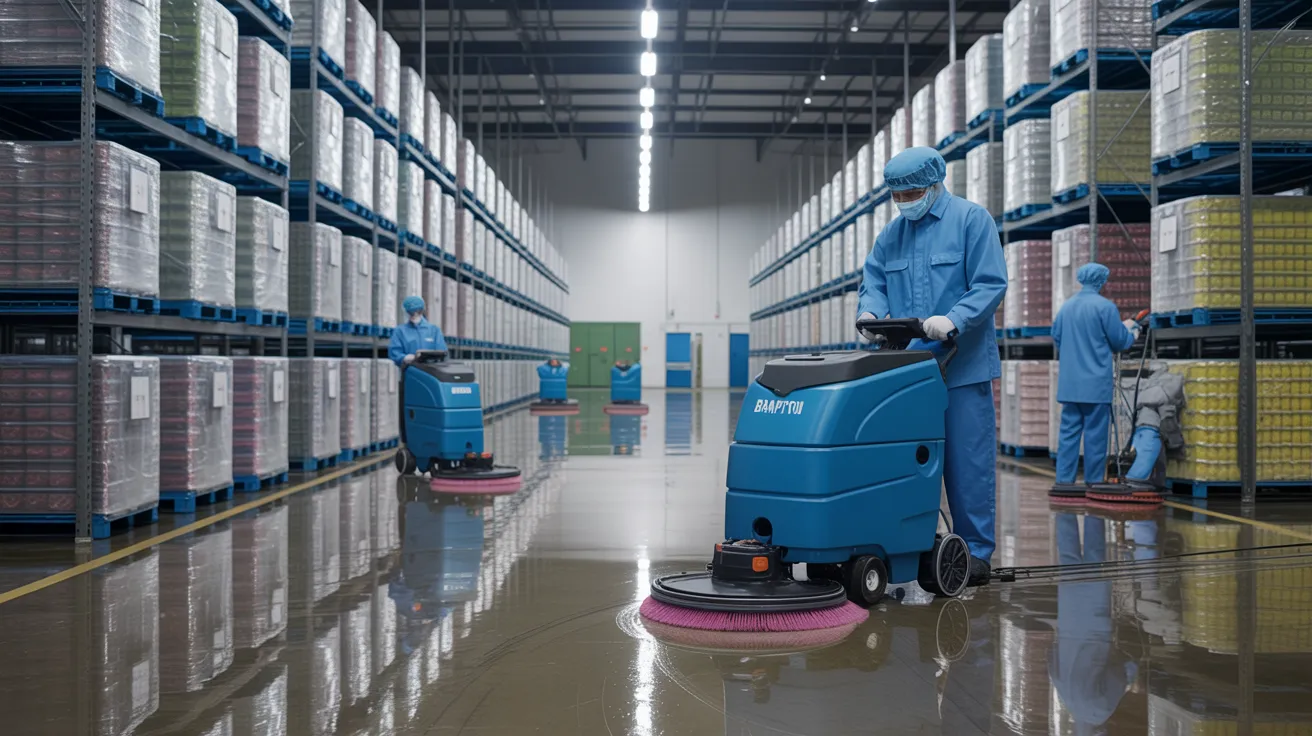
Essential Summary
- Brampton's food safety cleaning specialists clean for restaurants, grocery departments, commissaries, warehouses, bakeries, schools, mobile vendors, and allergen-sensitive operations.
- Frequently contacted areas, food-contact equipment, kitchens, floors, drains, restrooms, and storage areas are sanitized using sectional methods to avoid cross-contamination.
- Approved sanitizer dilution, appropriateness, and exposure duration are validated by trained specialists, with conclusion recorded via checks, assessments, and corrective-action records.
- Optimal sanitation plans factor in threat, production volume, transitions, accidents, and requirements when assigning everyday, periodic, and cyclical duties by zone.
- Prioritize vendors demonstrating HACCP, sanitation expertise, safety training education, liability, credentials, coded tools, and inspection-ready maintenance paperwork.
Which Brampton Operations Need Food Safety Cleaning?
Any Brampton facility that handles, stores, prepares, packages, or serves food needs food sanitation. You must implement it if your operation falls under health department oversight, food regulations, or HACCP requirements. That requirement covers eateries, dining facilities, food distribution centers, supermarket departments, meat markets, fish counters, corner stores, and commercial kitchens.
Documented food safety measures remains needed in storage facilities, production centers, refrigerated warehouses, bakeries, school nutrition services, event spaces, and delivery hubs. Temporary mobile establishments matter as well, examples being food trucks, event sellers, and temporary stalls. Your location needs established hygiene documentation should your workers work with ingredients, section ready-to-serve foods, heat finished items, or maintain allergen storage. In Brampton, hygiene is not optional; it forms part of regulatory, business, and safety compliance.
What Do Brampton Cleaning Experts Clean?
Professional cleaning teams specializing in Brampton sanitize touched surfaces, food preparation areas, ground surfaces, and restrooms to satisfy food safety standards and health requirements. Focus on these locations stems from extreme cross-contamination risk, potential for accidents, and compliance issues.
By knowing exactly what gets cleaned, you can make sure your facility's cleaning procedures satisfy all operational and regulatory requirements.
Critical High-Touch Surface Cleaning
establish how often each area is sanitized
verify that sanitization was successful and document corrective actions when results come beyond required standards
Kitchen Areas, Floor Surfaces, and Bathroom Spaces
Brampton cleaning professionals will address kitchens, floors, and restrooms since each space presents separate hygiene concerns, slip-and-fall, and public health challenges. In industrial kitchens, you need grease removal from cooking stations, appliance surfaces, drain systems, preparation areas, and backsplashes to minimize bacterial growth and pest activity.
Professional floor care with documentation is also included. is likewise provided as part of the service.
Restroom sanitation requires disinfecting touch areas, bathroom equipment, stall barriers, supply stations, and bins, restocking supplies and controlling odours. They also maintain restaurant cleaning supply rooms where product storage, sink cleanliness, and drain systems impact daily sanitation standards and worker protection.
Food Safety Cleaning Significance for Brampton Businesses
In Brampton, you must maintain food-safe cleaning standards to satisfy regulatory standards and pass inspections. You also reduce bacterial spread through proper cleaning of food-preparation surfaces, appliances, and frequently-touched items. Most importantly, you help protect public health by lowering the risk of foodborne illness in your facility.
Food Safety Regulations
Brampton food companies must comply with stringent health requirements, so sanitation practices is vital to fulfilling health codes, safeguarding customers, and eliminating penalties. You must maintain clean food preparation areas, verifiable cleaning logs, correct sanitizer application, and documented employee protocols that meet municipal and provincial inspection expectations.
Thorough sanitation documentation permit you to establish due diligence during official assessments and show your operations remain uniform, repeatable, and documented. Effective sanitation additionally enables allergen management by reducing residue on shared equipment and frequently touched surfaces.
Cross-Contamination Prevention
Adhering to health code standards requires your skill in preventing cross-contamination throughout daily food handling and cleaning. You need to isolate uncooked items from finished products, sanitize work stations after each task, and store cleaning supplies separately from food. Organized systems minimize contamination events and ensure consistent compliance during inspections.
You should establish allergen separation to prevent major allergens from touching shared surfaces, containers, or equipment. Employ separate boards, labeled implements, and careful equipment identification so staff don't mix items during preparation or service. Require handwashing after handling uncooked proteins, shellfish, egg items, or allergen products. Replace wiping cloths regularly, and verify sanitizer strength with test strips. When staff members receive training on these procedures each work period, you create a cleaner, safer operation that satisfies Brampton's safety standards daily.
Public Health Safeguarding
If proper sanitation deteriorates, you don't merely face potential inspection issues—you amplify the risk of foodborne illness harming customers, staff, and the broader Brampton area. You also undermine your responsibility in protecting public health, especially in high-traffic food premises where pathogens travel quickly through surfaces, equipment, and touchpoints.
You need cleaning protocols that remove contaminants, sanitize effectively, and confirm results. This requires following exposure durations, using authorized sanitizers, documenting procedures, and coaching employees to satisfy regulatory requirements. These controls promote illness spread by minimizing pathogens before contaminating food or hands. Throughout Brampton, strong cleaning safeguards susceptible populations, minimizes disease potential, and proves your diligence. When you adhere to standards, you go beyond requirements—you lower hazards and enable safer food service region-wide.
How Does Cleaning Support Food Safety Compliance?
Strict sanitation practices strengthen food safety compliance by decreasing contamination threats, controlling pathogen growth, and maintaining your facility's adherence to sanitation requirements under HACCP-based programs and public health regulations. You confirm that food-handling surfaces appear expert tips visibly clean and microbiologically controlled, enabling documented preventive controls and inspection readiness.
Conscientious cleaning also reinforces allergen mitigation by eliminating residues that can trigger undeclared allergen exposure. When you integrate verified sanitation methods with regulatory training, your staff can adhere to established protocols, handle approved chemicals correctly, update records properly, and address discrepancies before problems worsen. Ongoing cleaning facilitates product tracking, validates remediation efforts, and shows responsibility when audited. Furthermore, it aids you protect quality assurance, preserve compliance standards, and lower the likelihood of enforcement actions, product recalls, formal complaints, and unnecessary health hazards.
Establishing When to Arrange Commercial Cleaning
regular standard cleaning
facility shutdowns, seasonal-driven soil buildup, or periods of high pest pressure.
What Should You Look For in Brampton Cleaning Experts?
Evaluate providers first by food-safe sanitation requirements rather than cost. You must ensure each provider understands CFIA, public health, and HACCP-aligned expectations for your business. Request insurance proof, WHMIS compliance, staff training documentation, and supervision methods. Check technician awareness of contamination prevention, chemical handling, and traceable sanitation records.
Additionally, you need to evaluate operational reliability and responsibility. Obtain references from Brampton food operations, then review response times, corrective-action procedures, and communication standards. Verify the company supports supplier audits and can deliver inspection-ready documentation when inspectors or external parties need proof. Verify equipment upkeep, color-coded equipment are applied correctly, and site-specific hazards are identified. A qualified provider ensures compliance, product quality, and your brand reputation.
What does a Food Safety Cleaning Plan consist of?
Develop a written plan that makes clear every sanitation task, standard, and responsibility prior to production start. You should detail cleaning schedules, authorized chemicals, concentration levels, contact duration, implements, and validation techniques for each location, surface, and apparatus. Include pre-operational inspections, corrective actions, and employee training requirements.
Your plan should also address contamination prevention, garbage management, pest control procedures, and recorded timelines for bathrooms, drainage systems, surfaces, and food-preparation zones. Detail how you'll keep raw and prepared foods apart, support ingredient tracking, and ensure accurate allergen labeling through validated cleaning between product changes. You should designate accountability, keep signed records, and compare results against regulatory standards, HACCP controls, and customer requirements. When gaps appear, update procedures immediately and re-educate staff.
Commonly Asked Questions
Are cleaning services available for nighttime operations in Brampton facilities?
Yes, you can arrange sanitation coverage to support nighttime operations in Brampton facilities. You'll coordinate overnight sanitation around operational schedules, access controls, and staffing requirements. Services generally outline nightshift logistics to reduce disruption, maintain compliance, and record finished work. You should verify arrival timeframes, supervision, lockout procedures, and waste handling before service begins.
Do sanitation professionals provide hazard containment solutions?
Yes, you can find many Brampton cleaning experts who offer hazard containment solutions. They handle contamination, evaluate dangers, isolate affected areas, and start rapid decontamination to minimize risk and prevent business interruption. You should confirm response times, professional credentials, PPE protocols, and waste management. If your facility must comply with industry standards, choose a provider that documents incidents, maintains regulatory procedures, and supports audit readiness.
Will eco-friendly disinfectants sanitize safely food-handling equipment?
Definitely, plant-based sanitizers operate safely on food-handling equipment if you purchase items marked food-safe that adhere to compliance requirements. You need to verify contact times, dilution ratios, and rinse procedures in advance of use. Natural-based solutions decrease chemical hazards, but you need evidence of effectiveness against harmful bacteria. To keep surfaces residue-free, stick to manufacturer directions precisely and ensure your disinfectant meets relevant food safety standards.
Can cleaning plans be tailored for seasonal production changes?
Without question, cleaning schedules customize readily for seasonal variations. Adjust frequencies, labor allocation, sanitizers, and validation steps to correspond to operational cycles while maintaining regulatory compliance. Minimize production downtime by organizing sanitation around changeovers, high demand periods, and usage patterns. Additionally revise written procedures, training, and monitoring protocols to reflect periodic risks, emerging allergens, or increased soiling. Consistent reviews maintain your plan effective.
Do professional cleaning services train employees on sanitation best practices?
Indeed, commercial cleaning providers often offer staff training on proper hygiene. Your team receives training on safe chemical application, contact times, cross-contamination prevention, equipment disassembly, and documentation. They typically follow training with HACCP, GMP, and CFIA or regional health standards criteria. Many perform compliance inspections to confirm standards, identify gaps, and reinforce corrective actions. This supports you in establish reliable processes, achieve compliance, and reduce food safety risks each day.
Summary
Through engaging Brampton commercial cleaning and food safety specialists, you do far more than tidy—you keep your operation prepared for inspections and your standards stay aligned with regulations. From kitchen spaces to processing areas, all clean areas and organized zones help prevent pest problems and prevent significant costs. Through scheduling maintenance on suitable timelines and adhering to a comprehensive cleaning program, you ensure protection for employees, clients, and your good name. In a tightly controlled regulatory landscape, proper sanitation must be a priority—they are fundamental to success.